



Plaque is something everyone deals with, yet many people underestimate how quickly it can harm their teeth and gums. Without daily care and routine cleanings, plaque can harden, irritate gums, and lead to long-term dental concerns that may require restorative treatments.
What Is Dental Plaque?
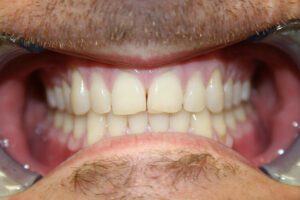
Plaque is a soft, sticky film that forms on teeth throughout the day. It contains bacteria that feed on the foods and drinks we consume. While plaque is initially clear, it becomes more noticeable when stained by coffee, tea, wine, or smoking.
Good news: Daily brushing and flossing can help limit plaque buildup. Professional cleanings remove any areas your toothbrush cannot reach and help prevent problems that may later need treatment from an emergency dentist.
What Causes Plaque Buildup?
Plaque buildup is extremely common, especially in children and adults who miss spots while brushing. This is one reason regular hygiene visits to a pediatric dentist or general dentist are so important.
The most common contributors include:
- Inconsistent brushing or flossing
- Frequent sugary foods or drinks
- Dry mouth
- Smoking
- Certain health conditions, including diabetes
- A weakened immune system
While some risk factors cannot be avoided, maintaining strong oral hygiene habits makes a major difference.
Why Removing Plaque Matters
Letting plaque sit on teeth for too long can lead to several oral health problems.
1. Plaque Hardens Into Tartar
If plaque is not removed within one to three days, it absorbs minerals from your saliva and turns into tartar. Tartar is a hardened deposit that:
- Cannot be removed at home
- Traps even more plaque and bacteria
- Irritates gums
- Increases the risk of cavities and gum disease
Tartar forms faster in people with braces, crowded teeth, dry mouth, or tobacco use, and it tends to increase with age.
2. Plaque Causes Cavities and Bad Breath
The bacteria living in plaque break down sugars and release acids that weaken the enamel. When this happens repeatedly, cavities form. Small cavities can often be repaired with dental fillings, while more extensive damage may require a dental crown to protect and strengthen the tooth.
Signs that plaque is harming your teeth include:
- Sensitivity when eating or drinking
- Visible pits or holes
- Persistent bad breath
- A sour or unpleasant taste
If decay progresses and causes sudden pain or swelling, you may need to see an emergency dentist for prompt treatment.
3. Plaque Irritates Gums and Leads to Gingivitis
When plaque sits along the gumline, it triggers inflammation. This early stage of gum disease is known as gingivitis.
Common symptoms include:
- Red or swollen gums
- Bleeding while brushing or flossing
- Tenderness near the gumline
Gingivitis is reversible with consistent home care and professional cleanings. Without treatment, it can advance into gum disease that affects the bone and tissue supporting your teeth.
How to Keep Plaque Under Control
A few simple habits can make a big difference:
- Brush twice a day
- Floss daily
- Drink water after meals
- Limit sugary snacks and drinks
- Avoid smoking
- Visit Dr. Q for routine cleanings and personalized care
Dr. Q can recommend the right oral hygiene tools for your needs and help catch problems early, before they require treatments like fillings or crowns.
Schedule Your Visit
Routine checkups help prevent painful and costly dental problems. Contact Dr. Q in Monrovia to book a routine cleaning appointment, call (626) 346-0324 and to keep your smile healthy year-round.