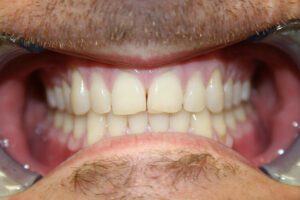



Porcelain veneers can create a brighter, more balanced smile with very little downtime. Many patients explore veneers to improve the look of chipped, stained, or uneven teeth. However, veneers are designed for cosmetic enhancement, not for treating underlying dental problems. If you have tooth decay or gum issues, these conditions need to be treated first to protect your long-term oral health.
What Porcelain Veneers Can Improve
Porcelain veneers are thin, custom-made shells that bond to the front of your teeth. They create a natural, polished look and are easy to care for. Once placed, you can brush and floss just as you normally would.
Veneers are a great option for teeth that are:
- Chipped
- Stained or discolored
- Slightly crooked
- Gapped or uneven
These concerns affect appearance but do not usually indicate deeper oral health problems.
When Porcelain Veneers Are Not the Right Treatment
Some dental issues require restorative care before cosmetic treatment. Placing veneers over unhealthy teeth will not stop disease from progressing and may lead to more serious concerns later.
Veneers are not recommended if you have:
- Active tooth decay
- Untreated cavities
- Gum or periodontal disease
- Root canal infections
If you have any of these conditions, the priority is to treat the infection, stabilize the tooth, and restore healthy gum tissue. Once your oral health is stable, veneers may still be an option.
Why Treating Decay First Matters
Porcelain veneers are bonded to the outer surface of your teeth. If decay or infection is present underneath, the veneer will not correct the problem. Over time, untreated decay can worsen and compromise the veneer or the tooth itself.
Addressing these concerns first allows you to enjoy cosmetic treatment with confidence and ensures your results last.
Frequently Asked Questions
Can I get veneers if I currently have a cavity?
No. A cavity needs to be treated before veneers can be safely placed. The tooth must be healthy and stable so the veneer can bond properly and last.
Will veneers hide tooth decay?
Veneers can cover the appearance of a tooth, but they do not treat decay. Placing a veneer over an unhealthy tooth allows decay to progress beneath the surface, which can lead to pain or more extensive treatments later.
Do veneers prevent future cavities?
Veneers do not prevent new cavities. You can still develop decay on the natural tooth structure around the veneer. Daily brushing, flossing, and regular cleanings are essential.
What happens if decay is found during my veneer consultation?
If decay or gum disease is detected, your treatment plan will begin with restoring oral health. Once the tooth is repaired and the gums are healthy, you may still qualify for veneers.
Can veneers be placed after a root canal?
Often yes. If the tooth is stable and the foundation is healthy, veneers can be used to improve the appearance of a tooth that has been treated with a root canal. Your dentist will evaluate the structure of the tooth first.
How do I know if I’m a good candidate for veneers?
You are likely a candidate if your teeth are healthy and you want to improve cosmetic concerns like chips, stains, small gaps, or mild misalignment. A consultation is the best way to determine if veneers are the right option for you.
Are there alternatives if I can’t get veneers because of decay?
Yes. Depending on the condition of the tooth, options may include tooth-colored fillings, crowns, or bonding. After restorative work is complete, cosmetic treatment may still be possible.
Is it painful to treat tooth decay before getting veneers?
Treating decay is usually quick and comfortable. Once the tooth is restored and healthy, the veneer process is minimally invasive and typically requires little downtime.
Oral Assessment Before Porcelain Veneers
Monrovia and Sierra Madre residents trust Dr. Q Dental for personalized care and a clear, step-by-step plan. If you are interested in veneers, the best first step is a consultation. We will evaluate your teeth, discuss your goals, and let you know whether veneers are safe and appropriate for your smile.
Call (626) 599-9818 or contact us online to schedule an appointment.